


Agility is one of the most popular dog sports in the world. Its popularity is widely broadcast on television. It's an incredible sport for you and your dog, creating an even deeper bond. But is this world-famous sport suitable for all dogs?
Agility: understanding the basics
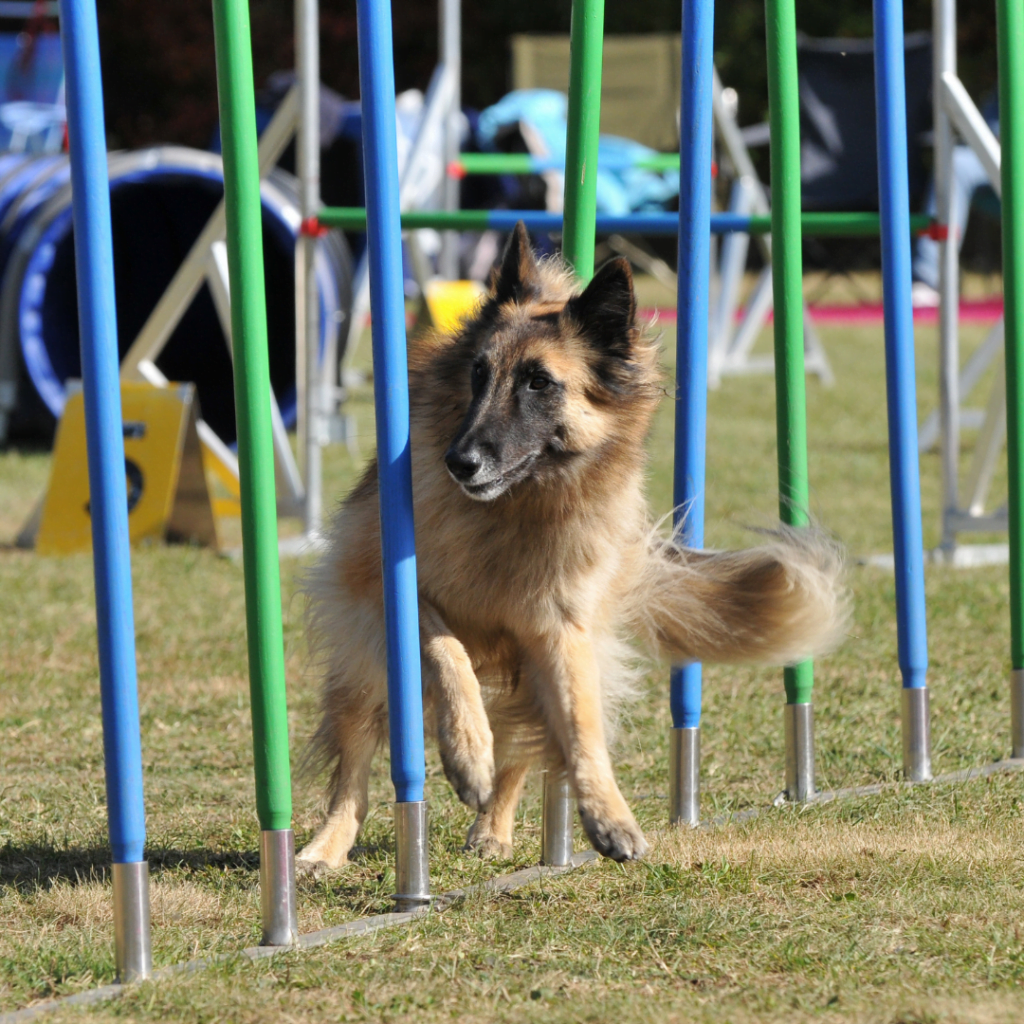
Agility is a canine sport in which you guide your dog through a predetermined obstacle course within a set time. Courses typically have between 14 and 20 obstacles, which may include tunnels, poles, jumps, seesaws, seesaws, and rest tables where the dog must pause for a set period. In each trial, you and your dog run around unique courses designed specifically for that day. All of this is done with your dog, relying solely on the signals and body language you use to guide them. This sport was inspired by the obstacle courses of the equestrian world.
Basically, all breeds, including mixed breeds, can participate in agility competitions, from the smallest to the largest dog.
Make sure agility is suitable for your dog
As with all sports, you need to make sure your dog is motivated to do an activity with you. It's essential that your dog trusts you. Also, ask yourself some questions such as:
- Does your dog like to run?
- Is he sociable with other dogs?
- Does he have energy to spare?
Furthermore, in order to participate in agility classes, your dog must be:
Aged 15 months or older .
Indeed, starting before this age risks disrupting the dog's growth and therefore causing serious long-term damage. Jumping, twisting, and landing awkwardly can have consequences that are sometimes serious, if not irreversible. It is therefore important to minimize the risks associated with starting canine sports too early. Dogs that participate in canine sports are athletes, but before they can be athletes, they must be adults. There are many things to teach a dog before 15 months of age, such as staying calm and not getting into mischief. It's best to focus on the basics before starting any sport.
Your dog must be in good health and up-to-date on vaccinations .
The health of a sporting dog is paramount. You wouldn't make someone with asthma or severe arthritis run a marathon. The same is true for dogs. Having excellent health is the foundation for any canine sport. It's best to consult a veterinarian specializing in sporting dogs to get proper guidance. They can, for example, check that your dog doesn't have a heart murmur.
Your dog's physique must be suited to this sport .
Short-muzzled or brachycephalic dogs often have more difficulty breathing. They frequently have narrow nostrils and partially obstructed airways, making it hard for them to breathe when they exert themselves. Larger breeds are prone to hip dysplasia and arthritis. If your dog is overweight, you will need to adjust its training program to avoid overexerting it.
But agility training isn't just about your dog. You're essential to the process. You don't need to be a world-class sprinter to do agility with him. But you still need to be able to keep up with him on the course. By developing good communication, you and your dog can become the best partners in this sport.
Practice at home using your own equipment
Make sure your dog doesn't get stressed in unfamiliar and noisy environments. Acclimate them gradually and, above all, in a positive way. This is important work that shouldn't be neglected, as it will help your dog face their training with confidence. This is especially true if you eventually want to participate in competitions.
Whether you take lessons at a club or not, continuing your dog's training at home is essential. Practicing at home is just as important! You can create your own obstacles. You can either build them yourself or buy equipment online. The key is to create obstacles or courses that are safe for your dog.
Set aside at least 15 to 20 minutes a day to practice the movements you learned in training. Consider using motivators such as treats or toys to help keep your dog engaged throughout the course. Take your time, especially at the beginning, while you both get used to the exercise. It's better to practice a little on one obstacle than to try too many and risk ruining your session.
In short, agility is an excellent sport for maintaining or developing the bond between owner and dog . While no dog is inherently excluded from this sport, caution is advised. A dog that is too young or ill could put itself in danger on the course or suffer irreversible injury.


