


The holidays are almost over! They were preceded by a long period of lockdown, so it's high time to prepare your dog for going back to school. Because for him, it's back to school too. This means staying home alone, and this situation can sometimes be difficult and cause stress for dogs .
Those holidays were wonderful, it was an opportunity to spend long periods of time with our dog, he enjoyed long walks, he never left our side.
The almost constant presence of his master is an infinite happiness for the dog, but this happiness could turn into anxiety when work and school resume.
It is therefore time to get back into good habits to minimize the inconveniences associated with the end of the holidays.
Our furry friends are sensitive to changes
A change in routine is always an adaptation for the dog.
Any positive change is easier for the dog. He will adapt to it very quickly, but it's much more complicated when it's the opposite.
During the holidays, we went on very long walks, we played with him for hours in the garden, etc… It was truly a dream life for him. And then, overnight, disaster struck; he found himself alone.
This sudden change in circumstances can then encourage the appearance of troublesome behaviors such as vocalizations (crying, barking, howling), destruction, and defecation…
If you're stressed about leaving him alone, it's even worse, since he's like a sponge, absorbing all your emotions. Going back to school is just as difficult for your dog as it is for you.
Getting your dog back into their usual routine
Contrary to popular belief, dogs do have a sense of time. This sense isn't as precise as ours. They won't distinguish between 5 minutes and 10 minutes. However, they do feel the difference between their owner's absence of one hour and eight hours. And time can seem very long during that time. They will therefore wait impatiently for their owner's return.
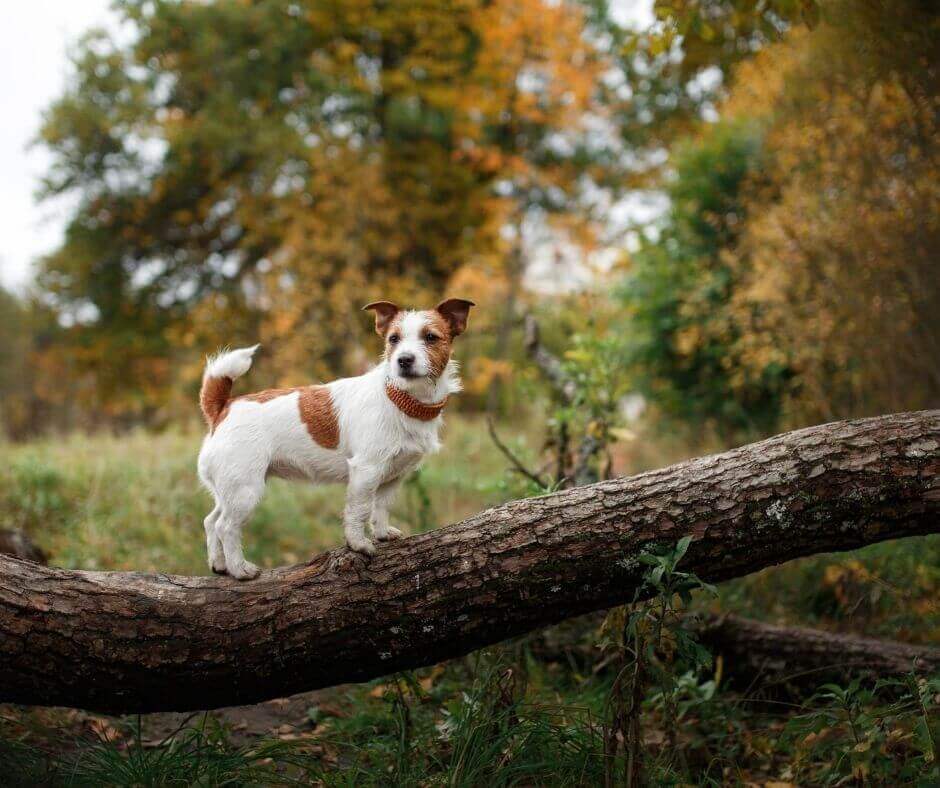
How about we do a few little exercises at the end of the holidays?
It's important to take it slowly so the change isn't too abrupt for your furry friend and to prevent any distress from developing. You'll need to gradually leave him alone and not immediately go for eight hours. By increasing the length of your absences, you'll be helping him re-educating himself to solitude, similar to what you did when he was a puppy .
Leave him alone for one hour the first day. Two hours the second day. Four hours the third day. Six hours the fourth day, gradually increasing to eight hours the day before you return to work. This way, you will gradually get him used to your long absences again.
If, despite everything, your dog continues to destroy things, defecate, or vocalize excessively, do not punish your pet. This will only increase your dog's stress.
Even if you leave toys available to him, he won't really want to play with them alone and he'll only be waiting for one thing…your return.
Finally, it's no secret that physical exercise is very healthy and beneficial for our dogs. Despite your fatigue after returning to work, your dog won't be responsible. So continue to dedicate plenty of time to him when you get home from work, offering him long, varied walks that meet his energy needs, and letting him meet other dogs regularly.
Dogs are sensitive beings
The return to school will be managed without too much difficulty for the dog, but for others it will not be easy.
Without getting him used to it again, it will be harder for him to accept and there will be a risk of consequences.
For dogs already suffering from loneliness, separation anxiety can unfortunately recur, with the well-known symptoms. You can help them with calming supplements like Relax BF Petfood tablets . And if, despite everything you've tried, the problem persists, you should consider consulting a behaviorist.
Sabrina RIGHES / Canine and feline behaviorist


