


Spring is always a much-anticipated season. The return of warmer weather is indeed very beneficial for our mood! It also means that walks with your dog will be more enjoyable! However, spring is also a season full of dangers for your furry friends, but don't panic, we'll explain everything!
Fleas, ticks and external parasites
We all know fleas and ticks, those nasty little bloodthirsty creatures! Well, they make their grand return every year from early spring until late autumn. Not only can these parasites infest your home in the blink of an eye, but they can also transmit serious diseases to your furry companions: babesiosis, ehrlichiosis, or even intestinal worms. The solution is to protect your pet preventively from these unwelcome guests.
However, other parasites are lurking, including a tiny mosquito called a "sandfly." The problem with this little mosquito is that it carries leishmaniasis, a disease for which there is no treatment.
Processionary caterpillars
These caterpillars are now well known for their particularly irritating hairs, which can cause serious harm to our animals, especially dogs. The processionary caterpillar is a moth larva that lives in pine trees, feeding on their needles. To build their cocoons, they descend from the tree where they live and bury themselves in the ground. They move in single file, hence their name "processionary," a reference to religious processions.
These caterpillars also have the particularity of possessing very fine and very irritating hairs (these are not the hairs that are visible to the naked eye).
Puppies and young dogs, in particular, need to be supervised because their curiosity leads them to taste everything they find. Imagine the result if a puppy tastes a processionary caterpillar! At best, it risks necrosis of the tip of its tongue.
Plants and gardening
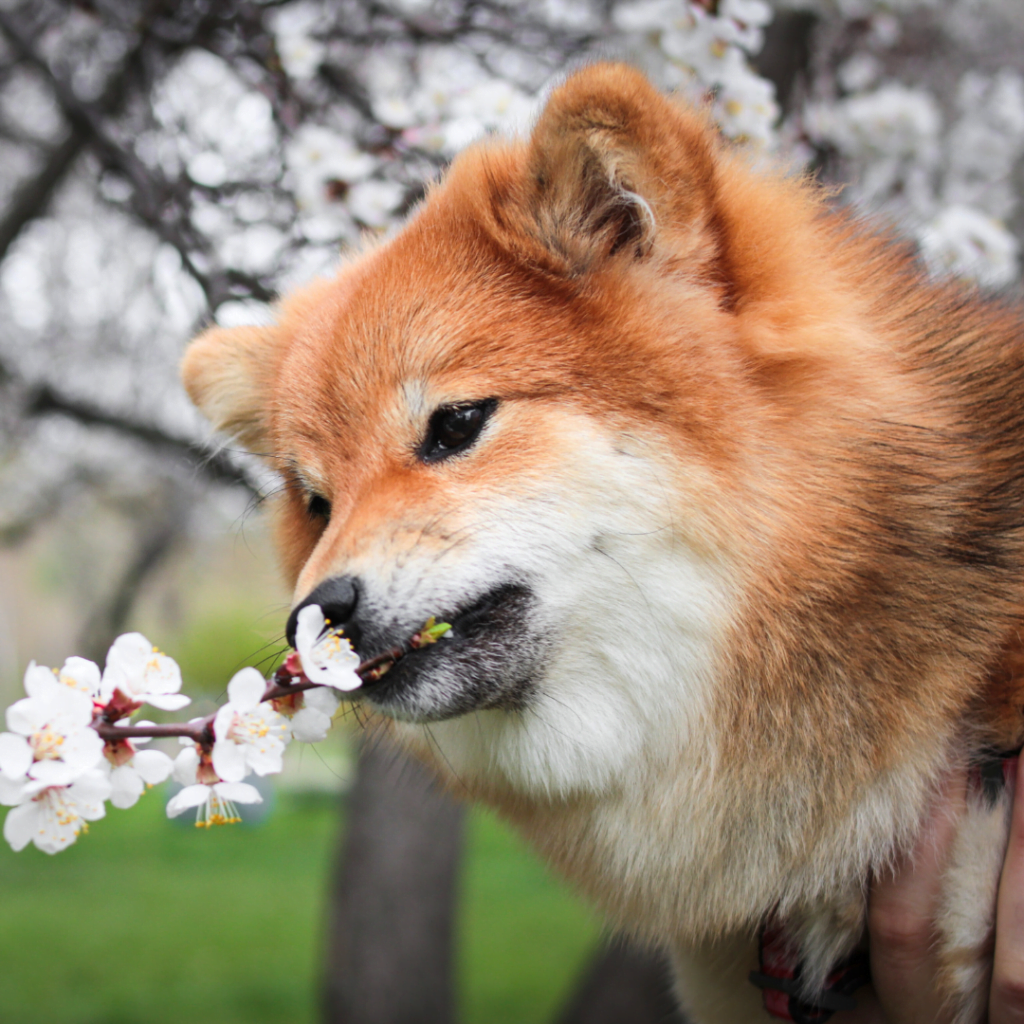
Are you lucky enough to have a garden and do you enjoy taking care of it? Did you know that the garden can be a source of danger for your dog? Indeed, some very common plants can cause poisoning, such as lily of the valley or oleander.
Furthermore, garden maintenance products such as fertilizers and insecticides are also toxic to dogs and cats, who might inadvertently ingest them. Therefore, be very careful about the plants you choose for your garden and the products you use to care for them.
A closer look at the foxtail
You may have already heard of foxtails? This plant is a real nightmare for dog owners and poses a serious threat in the spring! Indeed, foxtails are very dangerous. They look a bit like ears of wheat. They tend to stick to everything and have the ability to travel. They can penetrate the skin or enter through an orifice (ear, nostrils) and make their way through your pet's body, causing significant damage.
Flying insects (wasps, bees)
Again, this is especially relevant for young dogs and puppies . Flying insects can be attractive to dogs, who will try to catch them, and that's where the danger lies. A dog can develop an allergic reaction if stung by a wasp, and this can be potentially fatal.
Seasonal molting
Seasonal changes often mean shedding season for our furry friends! While for dogs the main problem is the amount of fur that accumulates in the house, it's different for cats. They groom themselves regularly throughout the day and can therefore ingest a large quantity of fur during shedding periods. This ingested fur forms what are called hairballs or "trichobezoars." The cat must expel them to avoid intestinal blockage. So, keep a close eye on your cat during shedding season.
Now you know all the potential dangers for your pets in the spring. We hope this article will be helpful and allow you to avoid these problems while fully enjoying this beautiful season!


