


Running with your dog is a fun way to spend time together. Plus, it helps keep you both in great shape. Having your dog to exercise with is an added motivation. But how do you know if your companion is suited for running?
The right breed and the right age to run with your dog
Before starting any sport, you must ensure your dog is fit enough to handle physical exertion. For example, brachycephalic dogs (those with short muzzles), such as bulldogs or pugs, are often unable to sprint. This is because dogs with flat faces have difficulty breathing, as they struggle to get enough oxygen. Running can therefore quickly become dangerous for them.
Also be aware that running is not without risk for puppies, as their bones are still growing. Their pelvis is not yet fully developed, and excessive stress on it can pose a risk in both the short and long term.
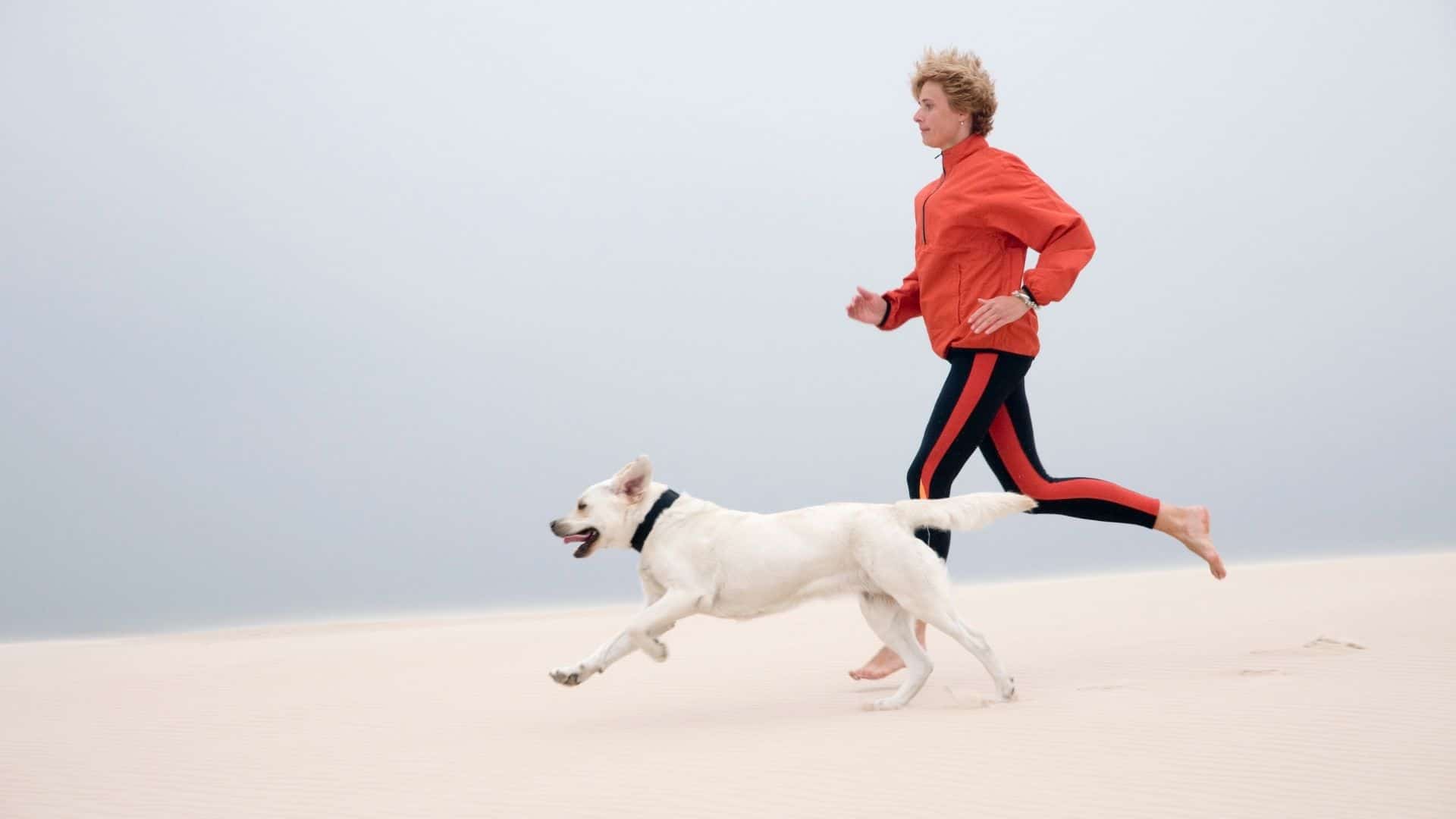
Before 12 months of age, regardless of breed, a puppy should not be walked for more than 30 minutes a day. And certainly not run with its owner. It's best to wait until the dog is 18 months old to begin basic running. Before then, you can train it and let it explore the world.
Even within the same breed, each dog has its own personality. Some dogs will run longer, while others won't enjoy running. Nevertheless, the most commonly used breeds for running are often:
- the Siberian husky
- the greyhound
- the border collie
- Belgian shepherd breeds such as the Malinois
- The Weimaraner
- point it
- the Jack Russell
- the Australian Shepherd
Walk before you run with your dog
Your dog must be able to walk on a loose leash before you start training them to run beside you. During the run, your companion will be connected to you by a towline attached to their harness and your waist belt. A dog that pulls on the leash is already annoying while walking, but downright dangerous at higher speeds. Remember that the environment is full of stimuli, such as squirrels and interesting smells. So, if you want your dog to stay close to you, you need to train them. Use treats, toys, and praise to reinforce your dog's willingness to stay by your side.Increase speed
Now that your dog is walking politely by your side, it's time to pick up the pace. Let him relieve himself before you start running. When you go out for a walk, it's helpful to choose a cue, such as "let's go," that signals to your dog that it's time to go faster.
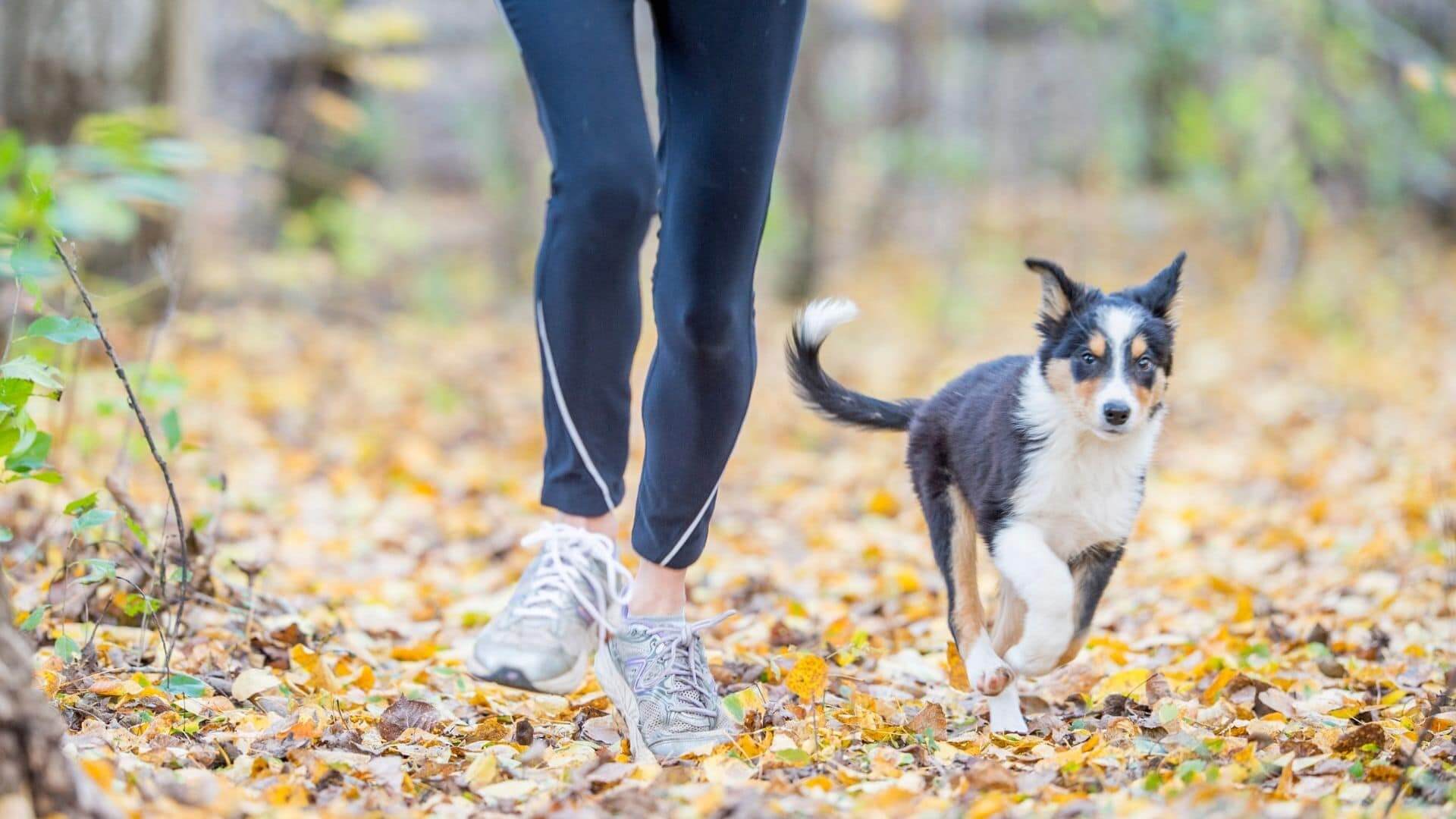
To teach your dog to run, start with short jogs at a normal pace. The important thing is to avoid running for an hour straight. Even if your dog doesn't seem tired, think of them as a budding athlete. If you push them too hard all at once, they could get injured, experience pain, strains, etc. So, begin with short sessions of 5 to 10 minutes, repeated two or three times. Let your dog sniff around and relieve themselves for 10 minutes between each session.
Building endurance
Now that your dog knows how to stay by your side and keep pace with you, it's time to get him in shape. Just as humans need to gradually build strength and endurance, so does your dog. You'll need to gradually increase the duration of your runs and decrease the duration of your walks. After several weeks, your dog will have adapted to running.
Here are some additional tips for a good race:
- Warm up your dog before running and let him cool down for several minutes after you have finished walking.
- Be aware of the weather conditions. Dogs cannot handle heat and humidity as well as humans. So don't let your dog run in the summer.
- Bring water with you during your walks and offer it to your dog regularly.
- Give your dog frequent breaks so he can recharge, relieve himself, and enjoy his surroundings.
- Observe your dog to see if he's getting tired or has had enough. If so, he should, for example, put his nose to the ground more regularly or stop more often. Indeed, dogs may run to please their owner, even if they want to stop.
- Have your pet checked by a vet regularly and don't hesitate to see an osteopath regularly to make sure everything is in good shape.
Conclusion : all dogs can run if they are motivated. However, it is still important to consider their physical abilities, motivation, and age.


